
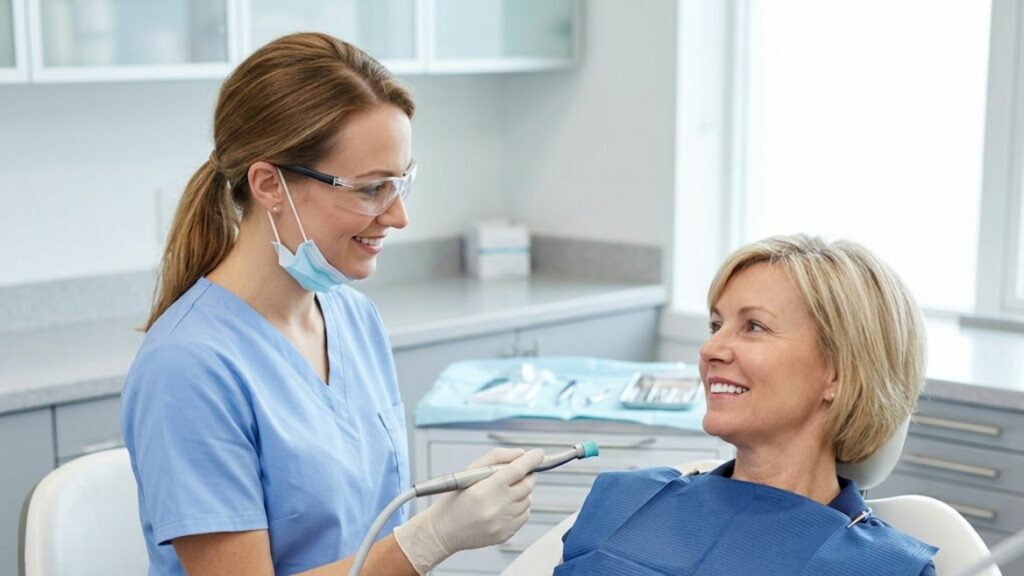
Porcelain veneers are a common cosmetic dental treatment that provide a natural appearance. Maintaining their finish and structural integrity requires professional cleaning by trained clinicians. This article explains how dental hygienists clean porcelain veneers in Markham safely, the techniques they use, and the importance of regular maintenance. Improper cleaning can cause damage, staining, or premature replacement. Understanding the cleaning process helps patients appreciate the value of professional care and follow recommended practices.
What Are Porcelain Veneers and Why Is Professional Cleaning Essential?
Porcelain veneers are thin, custom ceramic shells bonded to the front surfaces of teeth to improve color, shape, and size while preserving a natural look. Professional cleaning removes plaque and tartar that can compromise the restoration margins and lead to gum disease. Without appropriate care, veneers are at higher risk of staining, damage, and reduced service life.
Understanding Porcelain Veneers and Their Benefits
Veneers correct aesthetic concerns such as chips, gaps, and discoloration and deliver predictable cosmetic improvement. Porcelain restorations are durable when maintained and can provide long‑lasting results. The treatment yields rapid aesthetic change and is typically completed in a few appointments.
Why Professional Cleaning Protects Veneer Longevity
Routine professional hygiene supports veneer longevity by removing deposits that can damage margins and the underlying tooth. Professional cleaning also preserves periodontal health and reduces complications that may jeopardize the restorations.
Which Safe Cleaning Techniques Do Dental Hygienists Use for Porcelain Veneers?
Dental hygienists use non‑abrasive cleaning techniques designed to protect veneer surfaces while effectively removing plaque and tartar. These approaches prioritise preservation of the restoration finish.
Non-Abrasive Methods to Prevent Scratches on Veneers
To prevent surface scratches, hygienists use soft‑bristled brushes, specialized cleaning solutions, and gentle polishing pastes that remove debris and restore luster without abrading the porcelain.
Consistent, gentle techniques combined with regular professional oversight are essential to preserve the condition of veneers.
Dental Veneer Care: Non-Abrasive Polishing & Regular Check-ups
Veneers should be polished with a specially formulated non‑abrasive paste. In addition, regular six‑monthly check‑ups and thorough professional hygiene are recommended.
Oral Health and Dental Veneers: Clinical Tips, 2019
Role of Dental Hygienists in Veneer Maintenance
Dental hygienists are trained to identify early issues and deliver individualised maintenance for porcelain veneers. Their expertise ensures cleaning is thorough yet gentle, preserving restorations and supporting overall oral health.
How Do Ultrasonic Scalers Ensure Porcelain Veneer Safety During Cleaning?
Ultrasonic scalers use high‑frequency vibrations to remove plaque and tartar efficiently. When used appropriately, these instruments can be compatible with porcelain veneers and help maintain restoration integrity.
However, suitability varies by ceramic type, and clinicians assess each case before selecting the most appropriate scaling method.
Safe Prophylactic Cleaning for Ceramic Veneers: Ultrasonic Scaling Risks
Ceramic veneers exhibited a high resistance to prophylactic measures in terms of surface durability, but a deepening of the marginal interface should be taken into account. With regard to the formation of cracks within the material, the use of ultrasonic scaling is not recommended for ZLS veneers.
Effect of powder air polishing and ultrasonic scaling on the marginal and internal interface (tooth-veneer) of ceramic veneers: an in vitro study, 2024
Specialized Ultrasonic Scaler Tips for Veneer Protection
Specialized ultrasonic scaler tips are designed for veneer care. They permit precise deposit removal while minimising mechanical stress to the restoration.
Scientific Evidence Supporting Scaler Safety for Porcelain
Clinical studies indicate that, when used correctly, ultrasonic scalers do not produce micro‑abrasions on porcelain surfaces and are a reliable option for dental hygienists.
Additional research supports the long‑term efficacy and safety of ultrasonic scaling for maintaining porcelain veneer restorations.
Ultrasonic Scaling for Porcelain Veneer Maintenance
Regular professional hygiene, including ultrasonic scaling with appropriate tips and power settings, supports long‑term performance of porcelain laminate veneers.
Effect of Ultrasonic Scaling on Debonding of Lithium Disilicate Glass Ceramic Laminate Veneer Restorations Cemented to Tooth Structures: in Vitro Study, AAA Abo-Elmagd, 2019
What Are the Best Practices to Prevent Damage While Cleaning Porcelain Veneers?
Adhering to established best practices during professional cleaning helps protect veneer integrity while ensuring effective plaque control.
Techniques to Avoid Scratching and Surface Damage
Hygienists avoid abrasive instruments and materials, use soft instruments, and employ controlled, gentle motions to prevent scratching and surface alteration.
Patient Comfort and Safety Measures During Cleaning
Patient comfort and safety are priorities. Hygienists may use topical anesthetics when indicated and explain procedures in advance to ensure informed consent and minimise discomfort.
How Often Should You Schedule Professional Cleaning for Your Porcelain Veneers in Markham?
Scheduling regular professional cleaning is essential for maintaining the health and appearance of porcelain veneers. Experts recommend professional cleaning at least twice a year for patients with veneers.
Recommended Veneer Maintenance Schedule by Experts
Dental professionals typically recommend professional cleanings every six months to remove plaque and tartar in a timely manner and to keep veneers in optimal condition.
Signs Indicating the Need for Professional Cleaning
Signs that indicate the need for professional cleaning include visible plaque, discoloration of the veneer, or new tooth sensitivity. Early assessment allows timely intervention and preserves restoration longevity.
How to Choose a Trusted Dental Clinic in Markham for Safe Porcelain Veneer Care?
Choosing a reputable dental clinic is essential to ensure safe veneer care. Patients should evaluate clinic experience and the team’s approach to cosmetic dentistry.
Evaluating Clinic Expertise and Technology
Assess the clinical team’s expertise and the technology used in cleaning procedures. Clinics that invest in advanced equipment and ongoing staff training are more likely to deliver consistent, high‑quality care.
Booking Your Professional Veneer Cleaning Appointment
Scheduling a professional veneer cleaning is straightforward. Contact your chosen clinic to arrange a visit and discuss specific needs and expectations. Swan Dental, a Markham-based dental clinic, provides family, cosmetic, and emergency dental services and offers comprehensive care for porcelain veneers.
| Cleaning Technique | Description | Benefits |
|---|---|---|
| Non-Abrasive Tools | Soft-bristled brushes and gentle cleaning solutions | Prevents scratches and maintains shine |
| Ultrasonic Scalers | High-frequency vibrations for effective plaque removal | Safe for porcelain, minimizes damage risk |
| Specialized Tips | Tailored scaler tips for veneer cleaning | Ensures precise cleaning without harm |
This table summarizes the primary techniques used by dental hygienists to protect and extend the life of porcelain veneers. Understanding these methods underscores the value of professional maintenance.
Frequently Asked Questions
1. Can I clean my porcelain veneers at home?
Home oral hygiene is important, but professional cleaning should be the primary method for maintaining veneers. Gentle brushing with a soft‑bristled toothbrush and non‑abrasive toothpaste is appropriate at home, but only a clinician can reliably remove hardened deposits. Dental hygienists use specialized instruments and techniques that protect veneer integrity and cannot be fully replicated in the home setting.
2. What should I avoid when caring for my porcelain veneers?
To protect porcelain veneers, avoid abrasive toothpastes, hard‑bristled brushes, and over‑the‑counter whitening products that may abrade or alter the restoration. Limit mouthwashes containing alcohol, which can dry the oral tissues and potentially affect adhesive longevity. Also reduce intake of staining substances such as coffee, tea, and red wine to preserve appearance.
3. How long do porcelain veneers typically last?
With proper care, porcelain veneers typically last 10 to 15 years. Longevity depends on oral hygiene, dietary habits, and regular professional maintenance. Patients who follow clinical recommendations and attend routine check‑ups generally achieve the longest service life, although individual results vary.
4. Are there any risks associated with ultrasonic scaling for veneers?
Ultrasonic scaling is generally safe for porcelain veneers when performed by trained clinicians. Improper technique or inappropriate tip selection can cause micro‑abrasions or surface damage. Have the procedure performed by a hygienist experienced in veneer maintenance to minimise any potential risks.
5. What are the signs that my porcelain veneers need professional cleaning?
Signs that your porcelain veneers may require professional cleaning include visible plaque, changes in color, or increased tooth sensitivity. If you observe any of these signs, schedule an appointment with your dental hygienist. Regular professional cleanings help maintain appearance and extend veneer lifespan.
6. How can I ensure my dental hygienist is qualified to clean my veneers?
Verify your dental hygienist’s credentials and experience in cosmetic dentistry. Choose clinics that prioritize ongoing staff training in current veneer care techniques and technologies. Patient reviews and professional recommendations can also help identify qualified providers.
7. What is the cost of professional cleaning for porcelain veneers in Markham?
The cost of professional cleaning for porcelain veneers in Markham varies by clinic and the complexity of the cleaning required. Typical fees range from $100 to $300 for a thorough cleaning session. Consult your clinic for exact pricing and to confirm any additional services included in the appointment.
Conclusion
Professional cleaning is essential to maintain the appearance and function of porcelain veneers. By using safe techniques and appropriate instruments, dental hygienists protect restorations from damage and discoloration. Regular visits to a trusted clinic support oral health and extend veneer lifespan. Contact Swan Dental to arrange a professional cleaning and to discuss an individual maintenance plan.