
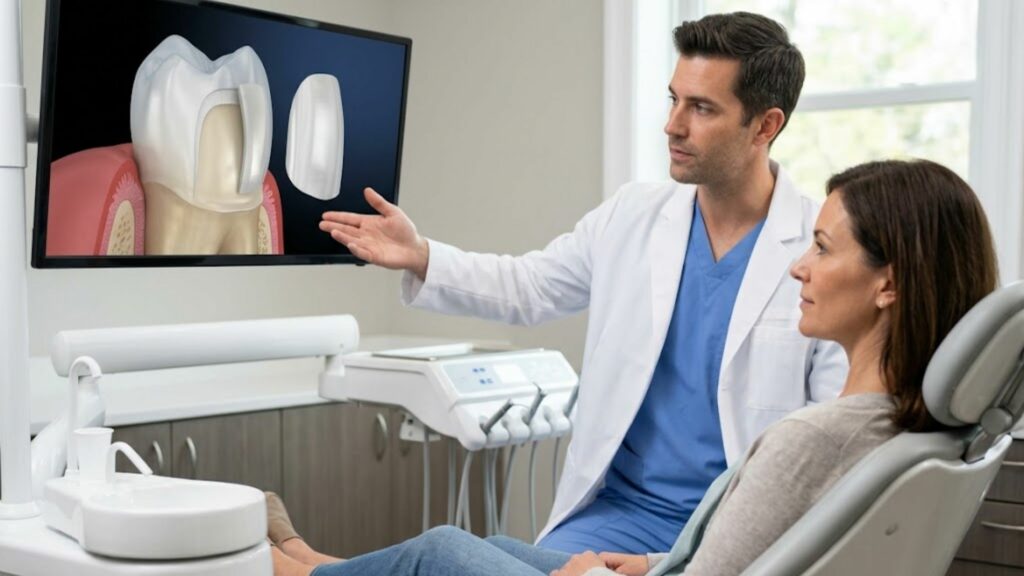
Enamel preparation for porcelain veneers is a fundamental clinical step in creating a durable, natural-looking smile. This guide clarifies the preparation stages, explains their purpose, and outlines the benefits of porcelain veneers in Markham. Many patients have concerns about enamel reduction; clear information can reduce uncertainty. The following content describes the preparation process, the role of veneers, and how Swan Dental in Markham can support your care.
Steps Involved in Enamel Preparation:
Enamel preparation is a precise clinical procedure that enables reliable veneer placement. Typical steps include:
- Consultation: A thorough examination and discussion of your dental goals with a qualified dentist.
- Enamel Reduction: A precise amount of enamel is removed to create space for the veneers.
- Impressions and Bonding: After preparation, impressions are taken to create custom veneers, which are then bonded to the teeth.
Familiarity with these steps helps patients make informed decisions and reduces anxiety about treatment.
What Are Porcelain Veneers and Why Is Enamel Preparation Essential?
Porcelain veneers are thin, custom-made ceramic shells that cover the front surface of teeth to improve appearance. Enamel preparation permits accurate seating and strong adhesion of the veneers, ensuring a natural appearance and effective function. The procedure supports both the aesthetic outcome and the long-term performance of the restoration.
What Defines Porcelain Veneers and Their Cosmetic Benefits?
Porcelain veneers address a range of cosmetic concerns, including discoloration, chips, and minor misalignment. The benefits of porcelain veneers include:
- Aesthetic Improvements: They provide a natural-looking enhancement to your smile.
- Durability: Porcelain is resistant to staining and can last many years with proper care.
- Impact on Dental Health: Veneers can protect the underlying tooth structure from further damage.
These benefits make veneers a widely chosen option for patients seeking cosmetic improvement.
Why Is Enamel Preparation Necessary for Veneer Placement?
Enamel preparation is essential to achieve optimal adhesion and contour. Appropriate reduction facilitates a secure bond, preserves tooth integrity when performed correctly, and allows veneers to blend seamlessly with adjacent teeth.
How Is the Enamel Preparation Process Performed for Porcelain Veneers?
The preparation process comprises several precise clinical steps designed to achieve predictable, esthetic outcomes.
What Are the Step-by-Step Procedures in Enamel Preparation?
The enamel preparation process typically includes:
- Consultation: Discussing your goals and expectations with your dentist.
- Enamel Reduction: Carefully removing a thin layer of enamel to accommodate the veneer.
- Impressions: Taking detailed impressions of your teeth to create custom veneers.
- Temporary Veneers: If necessary, temporary veneers may be placed while the permanent ones are being fabricated.
This structured protocol ensures careful execution at each stage and supports predictable results.
Clinical research describes multiple techniques and depth guides that support precise and uniform enamel reduction during veneer preparation.
Porcelain Veneer Enamel Reduction Techniques & Depth Guides
Objectives: Various techniques have been suggested to enable the operator to produce an even reduction of 0.5 mm of labial tooth enamel during preparation for a porcelain veneer. For example, in addition to the traditional free hand method, longitudinal or horizontal depth orientation grooves and the use of small round burs to produce dimples as depth guides have been suggested.
A study into the variations in the labial reduction of teeth prepared to receive porcelain veneers–a comparison of three clinical techniques, GP Cherukara, 2002
How Does Minimal Tooth Reduction Preserve Natural Enamel?
Minimal reduction methods aim to conserve as much enamel as possible while accommodating veneers. Conserving enamel maintains tooth strength and reduces the likelihood of postoperative sensitivity. Using refined techniques, dental professionals can achieve esthetic objectives without compromising the health of the underlying teeth.
What Are the Benefits of Minimal Tooth Reduction Veneers?
Minimal-reduction veneers provide distinct advantages that make them attractive to many patients.
How Does Minimal Prep Enhance Tooth Structure Preservation?
Minimal-prep approaches preserve greater natural tooth structure than traditional methods. This preservation is important for maintaining tooth strength and for lowering the risk of sensitivity and other complications associated with excessive enamel removal.
What Are the Long-Term Advantages for Patient Comfort and Veneer Longevity?
Patients receiving minimal-reduction veneers typically report greater comfort and satisfaction. These restorations are contoured to fit precisely, reducing the likelihood of sensitivity. By preserving enamel, clinicians also support improved long-term durability of the restoration.
How Is Patient Comfort Managed During the Enamel Prep Process?
Patient comfort is a primary priority during enamel preparation. Clinicians employ established strategies to reduce discomfort and anxiety throughout the procedure.
What Pain Management Techniques Are Used During Tooth Shaving?
Dentists utilize several pain management techniques during the enamel preparation process, including:
- Local Anesthesia: To numb the area being treated.
- Sedation Options: For patients who may feel anxious about the procedure.
- Gentle Techniques: Using advanced tools to minimize discomfort during enamel reduction.
These measures contribute to a more comfortable, controlled treatment experience.
What Can Patients Expect Regarding Sensitivity and Recovery?
Following preparation, some patients may experience mild, temporary sensitivity that generally responds to over-the-counter analgesics. Recovery varies, but most patients can resume normal activities within a short period.
How Does Enamel Preparation for Veneers Compare to Other Cosmetic Dentistry Options?
Enamel preparation for veneers is commonly compared with other cosmetic restorations such as crowns and bridges.
What Are the Differences Between Veneer Prep and Crown or Bridge Procedures?
The principal distinction is the degree of tooth modification: veneers require relatively limited enamel removal, whereas crowns typically involve more extensive reshaping. This makes veneers a less invasive cosmetic choice for many patients.
When Are Minimal Prep Veneers Preferred Over Alternative Treatments?
Minimal-prep veneers are preferred when patients seek a conservative improvement in dental aesthetics without substantial alteration of tooth structure. They are suitable for individuals who wish to enhance their smile while retaining more natural enamel.
What Are the Recommended Aftercare Practices to Ensure Veneer Longevity?
Appropriate aftercare is essential to preserve the appearance and service life of porcelain veneers.
How Should Patients Care for Their Teeth Post-Enamel Preparation?
To support veneer longevity, patients should adhere to the following practices:
- Maintain Good Oral Hygiene: Regular brushing and flossing are crucial.
- Avoid Hard Foods: To prevent damage to the veneers.
- Regular Dental Check-Ups: To monitor the condition of the veneers and overall dental health.
What Follow-Up Appointments and Maintenance Are Necessary?
Regular follow-up is important to evaluate veneer condition and overall oral health. Schedule periodic reviews with your dentist to address any concerns and to ensure optimal, long-term results.
To schedule a consultation or obtain further information, contact us at Swan Dental in Markham, Ontario. We provide family and cosmetic dental care, including porcelain veneers. With a clear understanding of the enamel preparation process and the benefits of porcelain veneers, patients can make informed decisions about their oral health and aesthetic goals.
Frequently Asked Questions
What is the typical duration of the enamel preparation process for porcelain veneers?
Procedure duration varies with case complexity and the number of teeth treated. Typically, consultation, enamel reduction, and impressions require approximately one to two hours. If temporary veneers are indicated, additional time may be necessary. Discuss the expected timeline with your dentist during the initial consultation to set realistic expectations.
Are there any risks associated with enamel preparation for veneers?
Enamel preparation is a common and generally safe procedure, but potential risks include temporary tooth sensitivity, inadvertent damage to tooth structure if not performed correctly, and an improper veneer fit. When treatment is provided by experienced clinicians, these risks are minimized. Follow your dentist’s aftercare instructions to support smooth recovery and optimal outcomes.
How can I determine if I am a good candidate for porcelain veneers?
A comprehensive dental evaluation is necessary to determine candidacy for porcelain veneers. Suitable candidates typically have sound oral health, without active gum disease or extensive decay. Veneers address cosmetic concerns such as discoloration, chips, and minor misalignment. A consultation with a qualified dentist will clarify whether veneers are appropriate for your needs.
What should I expect during the recovery period after enamel preparation?
After enamel preparation, mild sensitivity or discomfort is common and usually temporary. Most patients can return to normal activities shortly after the procedure. It is advisable to avoid hard or sticky foods for a few days to protect the prepared teeth. Adhering to your dentist’s postoperative guidance will support recovery and the longevity of the veneers.
Can porcelain veneers be removed or replaced if necessary?
Porcelain veneers can be removed or replaced when required; however, removal may necessitate additional enamel modification. If a veneer is damaged or if a change in appearance is desired, a dentist can remove and replace the restoration safely. Regular check-ups help monitor veneer condition and address issues promptly.
How do porcelain veneers affect my oral hygiene routine?
Porcelain veneers do not substantially change your oral hygiene routine, but meticulous care is required to maintain their appearance and longevity. Continue to brush twice daily and floss regularly, paying attention to veneer margins. Use a non-abrasive toothpaste to avoid scratching veneer surfaces, and attend regular dental examinations to monitor both veneers and underlying tooth health.
What are the costs associated with porcelain veneers and enamel preparation?
The cost of porcelain veneers and enamel preparation varies depending on factors such as the dentist’s experience, the number of veneers required, and case complexity. On average, patients can expect to pay between $800 and $2,500 per veneer. Discuss pricing and payment options with your dental provider during the consultation to understand the total investment for your treatment.
Conclusion
A clear understanding of the enamel preparation process is important to achieve a natural, long-lasting smile while preserving tooth structure. Minimal-reduction techniques enhance patient comfort and can improve long-term outcomes. Swan Dental in Markham is available to guide you through each stage of the veneer process, ensuring you remain informed and confident. Arrange a consultation to learn how porcelain veneers may improve your smile.