
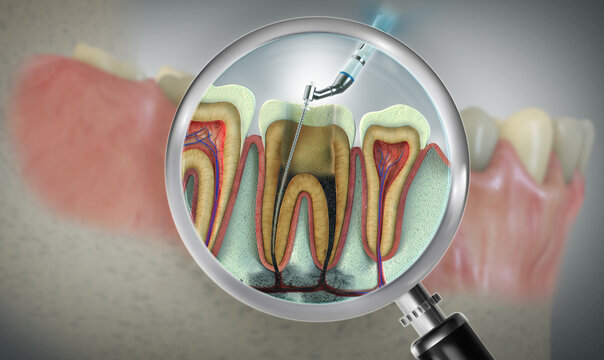
Root canal therapy is a restorative procedure intended to preserve a tooth that is severely decayed or infected. Recognising the indicators that warrant this treatment can reduce the risk of complications and protect your oral health. This guide describes the common symptoms that may indicate a need for root canal therapy, the early signs to observe, and the treatment options typically offered. Timely intervention often relieves discomfort and limits further damage. The article explains signs of nerve injury, diagnostic approaches for infection, and what patients can expect during and after treatment.
Common signs indicating the need for root canal therapy include:
Early recognition of these signs supports prompt dental care. Common indicators are listed below.
- Persistent Dental Pain : Ongoing pain in or around a tooth can signal an infection or damage to the tooth’s pulp.
- Tooth Discoloration : A darkening of the tooth may indicate nerve damage or infection.
- Sensitivity to Temperature : Prolonged sensitivity to hot or cold, even after the source is removed, can be a sign of pulp damage.
These symptoms merit assessment by a dental professional. At Swan Dental , we emphasise early detection and appropriate treatment to reduce the likelihood of more serious dental problems.
What Are the Early Signs of Needing Root Canal Therapy?
Detecting the need for root canal therapy at an early stage improves the prospects for successful treatment. The following signs are commonly observed in early cases.
- Dental Pain or Swelling : Pain that persists or swelling around the tooth can indicate an underlying issue.
- Tooth Discoloration : Changes in color can suggest that the tooth’s nerve is compromised.
- Foul Taste or Breath : An unpleasant taste or persistent bad breath may indicate an infection.
If you experience any of these symptoms, consult a dental professional without delay. Swan Dental can evaluate your condition and recommend the most appropriate course of action.
How to Recognize Tooth Pain and Sensitivity as Root Canal Symptoms
Tooth pain and heightened sensitivity are frequent indicators that the pulp may be compromised. The following points explain how these symptoms typically present.
- Monitor for Persistent Pain : If you experience ongoing pain that does not subside, it may be a sign of nerve damage.
- Sensitivity to Hot or Cold : If your tooth reacts painfully to temperature changes, this could indicate an issue with the pulp.
- Changes in Tooth Color : A noticeable change in the color of your tooth can be a warning sign of nerve damage.
Identifying these signs promptly enables timely treatment and reduces the risk of further complications.
Identifying Signs of Tooth Nerve Damage and Infection
Nerve damage and infection of the tooth can progress to more serious conditions if not treated. The key clinical signs to observe are outlined below.
- Dental Pain or Swelling : Pain that radiates from the tooth or swelling in the gums can indicate infection.
- Recurring Sores on Gums : Sores that appear and disappear may suggest an underlying infection.
- Bleeding Gums While Brushing : This can be a sign of infection or gum disease.
Early recognition of these findings allows for more effective diagnostic assessment and treatment planning.
Research further examines the pathogens commonly associated with these endodontic signs and symptoms.
Root Canal Pathogens & Endodontic Symptoms
The aim of this study was to evaluate the association of the common root canal pathogens, namely Streptococcus mitis and Enterococcus faecalis, with specific endodontic signs and symptoms.
Association of endodontic signs and symptoms with root canal pathogens: A clinical comparative study, 2016
How Is Tooth Pulp Infection Diagnosed?
Diagnosis of a pulp infection typically follows a structured clinical process to determine the extent and nature of the problem.
- Consultation with a Dentist : A thorough examination by a dental professional is essential.
- Use of X-rays : X-rays can help identify the extent of the infection and any damage to the surrounding bone.
- Assessment of Symptoms : Your dentist will evaluate your symptoms to determine the best course of action.
Early and accurate diagnosis is pivotal to selecting the appropriate treatment and preventing further complications.
What Treatment Options Are Available for Root Canal Therapy?
Multiple treatment approaches exist for managing pulp infection and preserving the tooth. Selection is based on the clinical findings and patient needs.
- Root Canal Procedure : This involves removing the infected pulp, cleaning the canal, and sealing it to prevent further infection.
- Restorative Options Like Crowns : After the root canal, a crown may be placed to restore the tooth’s function and appearance.
- Importance of Dental Hygiene : Maintaining good oral hygiene is essential to prevent future infections.
At Swan Dental, we provide comprehensive root canal therapy designed to restore dental health effectively.
| Treatment Option | Description | Effectiveness |
|---|---|---|
| Root Canal Procedure | Removal of infected pulp and sealing of the canal | High |
| Crowns | Restoration of tooth function and aesthetics | High |
| Dental Hygiene | Preventive care to avoid future issues | Essential |
The table summarises common treatment options and their relative effectiveness in managing pulp infections.
How Does Painless Root Canal Therapy Work?
Painless root canal therapy employs contemporary techniques and anaesthetic strategies to prioritise patient comfort while treating the infected pulp.
- Modern Techniques : Advances in dental technology allow for more efficient and less painful procedures.
- Patient Comfort : Anesthesia and sedation options are available to minimize discomfort during treatment.
- Pain Management Strategies : Post-treatment pain can be managed effectively with prescribed medications.
These clinical advances contribute to a more comfortable and predictable treatment experience for patients.
What Are Post-Treatment Restorations Like Crowns and Bridges?
Following a root canal, restorative procedures are frequently required to re-establish the tooth’s structural integrity and function. The following points outline what to expect.
- Purpose of Crowns : Crowns protect the tooth and restore its shape and function.
- Types of Materials Used : Crowns can be made from various materials, including porcelain, metal, or a combination.
- Process of Fitting Crowns and Bridges : The fitting process typically involves multiple visits to ensure a proper fit and aesthetic appearance.
Restorative treatment is an important component of long-term dental health after root canal therapy. For further details on restorative options, visit our page on crowns and bridges.
How Can Endodontic Pain Relief Be Managed During and After Treatment?
Effective pain control during and after root canal therapy supports recovery and patient well-being. The strategies below are commonly employed.
- Pain Management Techniques : Over-the-counter pain relievers can help alleviate discomfort.
- Post-Treatment Care : Following your dentist’s aftercare instructions is vital for a smooth recovery.
- Follow-Up Appointments : Regular check-ups can help monitor healing and address any concerns.
Appropriate pain management contributes to a more positive treatment outcome and patient experience.
What Is the Typical Recovery Timeline and Aftercare?
Recovery timelines vary by individual but generally follow a predictable pattern when aftercare instructions are observed.
- Expected Recovery Time : Most patients can return to normal activities within a few days.
- Aftercare Instructions : Following your dentist’s aftercare guidelines is crucial for a successful recovery.
- Signs of Complications : Be aware of any unusual symptoms, such as increased pain or swelling, and contact your dentist if they occur.
Familiarity with the recovery process helps you prepare for treatment and supports a smooth convalescence.
When Should You Seek Emergency Dental Care for Tooth Infection?
Timely recognition of severe symptoms is essential to prevent systemic complications. The following signs indicate the need for urgent assessment.
- Signs of Severe Infection : High fever, severe pain, or swelling may indicate a serious infection.
- Importance of Timely Treatment : Delaying treatment can lead to more severe health issues.
- Emergency Contact Information : Always have your dentist’s contact information readily available for emergencies.
Proactive attention to concerning symptoms reduces the risk of escalation and supports better health outcomes.
How to Book a Root Canal Consultation at Swan Dental in Markham?
Arranging a consultation for root canal therapy is a straightforward process. The steps below outline what to expect when booking.
- Contact Information : Call us at (905) 471-SWAN (7926) to schedule your appointment.
- Required Details for Booking : Be prepared to provide your personal information and a brief description of your symptoms.
- Location and Hours of Operation : Visit us at 5 Swan Lake Blvd #3, Markham, ON L6E 0K7 for your consultation.
At Swan Dental, we are committed to providing high-quality dental care. If you have questions or require assistance, please contact us through contact us .
Frequently Asked Questions
What causes tooth nerve damage that may require a root canal?
Tooth nerve injury may result from deep decay, acute trauma to the tooth, or repeated dental procedures on the same tooth. Bacterial infection can cause pulpitis, an inflammatory condition of the nerve tissue. If left untreated, these factors can progress to severe pain and necessitate root canal therapy. Routine oral hygiene and regular dental examinations reduce the likelihood of such progression.
How long does a root canal procedure typically take?
The length of a root canal procedure depends on case complexity but commonly ranges from one to two hours. The clinician will remove infected pulp, disinfect the root canal system, and place a seal. Some situations require additional visits, particularly when complications arise or a final restoration such as a crown is planned. Your dentist will provide a case-specific time estimate.
Are there any risks associated with root canal therapy?
As with any clinical procedure, root canal therapy carries potential risks, including persistent infection, damage to adjacent structures, or incomplete removal of infected tissue. These outcomes are uncommon when treatment is performed by an experienced dental professional. Adhering to post-treatment instructions and attending follow-up appointments helps to minimise risk and support healing.
What should I expect during the recovery period after a root canal?
Following a root canal, mild discomfort or tenderness is common and is usually controlled with over-the-counter analgesics or prescribed medication. Localised swelling may occur but typically resolves within several days. It is important to follow your dentist’s aftercare advice, which may include dietary adjustments and oral hygiene practices. Most patients resume normal activities within a short period, with follow-up visits to confirm healing.
Can I eat normally after a root canal treatment?
It is advisable to wait until local anaesthesia has worn off before eating to avoid inadvertent soft-tissue injury. Once sensation returns, consume soft foods for the initial days and avoid hard, chewy or sticky items that could stress the treated tooth. Your dentist will provide specific dietary guidance based on the restoration plan.
How can I prevent the need for future root canals?
Preventative measures include consistent oral hygiene—brushing twice daily and flossing—regular dental check-ups and prompt treatment of carious lesions or gum disease. Addressing dental concerns early reduces the chance of progression to pulp involvement. A balanced, low-sugar diet also supports long-term oral health.
Is root canal therapy painful?
Advances in dental anaesthesia and operative techniques have significantly reduced procedural discomfort. Most patients report minimal pain during the procedure due to effective local anaesthesia. Post-operative discomfort is typically manageable with analgesics and resolves within days. The long-term benefit of retaining a natural tooth generally outweighs the temporary discomfort associated with treatment.
Conclusion
Recognising the signs that indicate a need for root canal therapy is essential for preserving dental function and preventing further complications. Early assessment and appropriate treatment can relieve pain and restore tooth integrity. If you suspect you require evaluation, contact the team at Swan Dental to arrange a thorough clinical assessment and plan your care.