
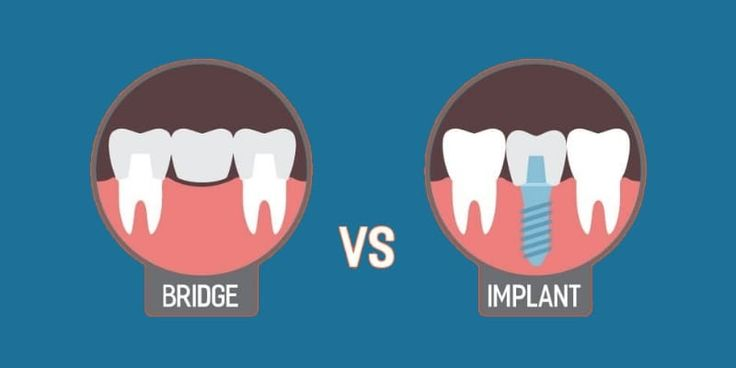
Restoring a complete, functional smile is an important component of oral health and overall quality of life. Missing teeth can affect chewing, speech, and self-confidence. This guide compares two established restorative options—dental implants and dental bridges—outlining their benefits, procedures, and key considerations to help you make an informed choice for your dental care. The content that follows summarizes both approaches, explains clinical details, and provides practical advice for selecting the option that best meets your needs.
Overview
Restorative dentistry provides reliable methods to replace missing teeth, with implants and bridges among the most commonly used solutions. Both restore function and appearance but differ in technique, maintenance, and expected longevity. Factors that influence the appropriate choice include the number and location of missing teeth, bone condition, and patient preference. A clear understanding of these factors supports a sound clinical decision.
Dental Implants
Dental implants serve as a permanent tooth replacement option that replicates natural tooth anatomy. The system typically uses a titanium fixture placed into the jawbone to act as an artificial root, supporting a prosthetic tooth. This approach provides stability and predictable long-term function when indicated.
For patients considering dental implants, Swan Dental provides expert consultations to review the procedure, expected outcomes, and associated fees. The practice offers individualized treatment planning to address each patient’s specific clinical circumstances.
What Are Dental Implants and How Do They Restore Your Smile?
Dental implants are biocompatible titanium fixtures placed into the jawbone to recreate the function of a natural tooth root. They provide a stable platform for crowns, bridges, or implant-retained dentures. Through osseointegration—the process by which bone fuses to the implant—the restoration performs similarly to a natural tooth for chewing and speech.
Understanding the Dental Implant Procedure and Recovery Time
The implant pathway generally includes an initial assessment, surgical placement of the implant, and later attachment of a definitive crown. A healing interval of approximately 3 to 6 months is usually required for osseointegration. Some postoperative discomfort is common and is typically controlled with prescribed analgesics. Scheduled follow-up visits are necessary to evaluate healing and prosthetic integration.
Benefits of Dental Implants for Long-Term Tooth Replacement
Dental implants provide several clinical advantages, including:
- Longevity: With appropriate maintenance, implants often provide a lifelong solution, offering long-term cost-effectiveness.
- Bone Health: Implants transmit functional load to the jawbone, helping to preserve bone volume and prevent resorption.
- Improved Oral Health: Implants do not require preparation of adjacent teeth, thereby preserving natural tooth structure.
These clinical benefits explain why implants are widely regarded as a preferred option for many patients seeking a durable restoration.
Dental Bridges
Dental bridges are a conventional restorative option that replace one or more missing teeth by anchoring prosthetic teeth to neighbouring natural teeth or implants. They restore chewing function and esthetics and can be an efficient solution when the supporting teeth are healthy.
How Do Dental Bridges Compare to Implants in Durability and Suitability?
Bridges can restore form and function effectively but generally rely on adjacent teeth for support, which may limit suitability if those teeth are compromised. Bridges commonly require replacement within 5 to 15 years depending on wear and hygiene. Implants are intended to provide greater longevity and may be the preferred option for patients seeking a more permanent restoration.
What Are the Cost Differences Between Dental Implants and Bridges in Markham?
Typical fees for single-tooth implants range from $3,000 to $4,500 per implant. Bridges commonly range between $1,500 and $3,000, depending on the number of units required. When evaluating cost, consider both the initial expense and the long-term value and durability of the restoration. Insurance coverage varies, so review your policy or consult your provider to understand available benefits.
Further economic analysis underscores the comparative financial considerations of these restorative choices.
Dental Implants vs. Bridges: Economic Comparison
Single tooth implant crowns and 3unit FDPs were compared in relation to fees, costs, productivity, profitability, and patient value over a short-term and a long-term perspective.
Implants versus short‐span fixed bridges: survival, complications, patients’ benefits. A systematic review on economic aspects, 2012
For further details on bridge options and maintenance, refer to the crowns and bridges page at Swan Dental.
How to Choose the Best Restorative Dentistry Solution for Your Smile in Markham?
Selecting between implants and bridges requires evaluation of clinical and personal factors, including oral health status, long-term goals, and treatment tolerance.
- Extent of Tooth Loss: Implants can replace single or multiple teeth; bridges are commonly used for adjacent tooth gaps.
- Bone Health: Adequate bone volume is necessary for implant placement; bone grafting or alternative approaches may be required if resorption has occurred.
- Personal Preference: Some patients prioritise permanence and bone preservation; others prefer a less invasive or more immediate option.
A thorough consultation with a qualified dental professional will clarify these considerations and support a tailored treatment recommendation.
Consulting Swan Dental Experts for Personalized Treatment Plans
Swan Dental’s clinicians provide comprehensive assessments and bespoke treatment plans based on each patient’s clinical findings and goals. The team conducts a full oral health evaluation, discusses treatment options, and outlines expected outcomes to ensure informed decision making.
What Are the Recovery and Aftercare Requirements for Implants and Bridges?
Postoperative care is essential for successful implant outcomes. Patients must adhere to prescribed analgesics and oral hygiene instructions, follow dietary recommendations during the initial healing phase, and attend scheduled follow-up appointments to verify osseointegration and prosthetic fit.
For bridges, meticulous hygiene around the abutment teeth and the pontic area is critical to prevent decay and periodontal issues. Regular examinations and professional cleanings support the long-term function of the restoration.
Where Can You Find Trusted Dental Implant and Bridge Services in Markham?
Swan Dental provides implant and bridge services in Markham delivered by an experienced clinical team committed to patient comfort and quality outcomes. Patients are encouraged to arrange a consultation to review suitable options and the proposed treatment plan.
Additionally, Swan Dental offers dentures as an alternative restorative option and provides comprehensive care across a range of prosthetic solutions.
Swan Dental’s Expertise in Restorative Dentistry and Patient Care
Swan Dental combines contemporary restorative techniques with a patient-centred approach. The practice utilises current clinical knowledge and technology to plan and deliver effective treatments while prioritising patient comfort and satisfaction throughout the care pathway.
How to Book Your Dental Implant or Bridge Consultation at Swan Dental
To schedule a consultation at Swan Dental, please call (905) 471-7926 or email mhndental@gmail.com. The clinic is located at 5 Swan Lake Blvd #3, Markham, ON L6E 0K7. The team is available to discuss your options and begin a personalised treatment plan.
For direct inquiries and appointment requests, visit the contact page to connect with the practice.
Frequently Asked Questions
What factors should I consider when deciding between dental implants and bridges?
Consider the number and position of missing teeth, the condition of adjacent teeth, bone volume, long-term goals, and treatment timelines. Implants require sufficient bone and are suited for single or multiple replacements. Bridges are appropriate for gaps between healthy neighbouring teeth but may entail future replacement. A clinical assessment will define which option is most appropriate.
How long does the dental implant procedure take from start to finish?
The implant process typically spans several months. It begins with assessment and planning, followed by implant placement and a healing period of roughly 3 to 6 months for osseointegration. After healing, a crown is affixed. Overall timelines are commonly between 4 and 8 months, depending on healing and any additional procedures.
Are there any dietary restrictions after getting dental implants or bridges?
Yes. After implant surgery, patients are usually advised to consume soft foods and avoid hard, chewy, or sticky items for several weeks to protect the surgical site. Following bridge placement, avoiding hard foods that could damage the restoration is recommended. Always follow the specific dietary instructions provided by your clinician.
What is the lifespan of dental implants compared to bridges?
With proper care, dental implants are intended to provide a long-term, potentially lifelong solution. Bridges typically last between 5 and 15 years, contingent on hygiene, occlusion, and the condition of the supporting teeth. The expected longevity should be weighed when selecting a restorative option.
Can dental implants be placed if I have gum disease?
Active gum disease must be treated and stabilised before considering implant placement. Healthy periodontal tissues are essential for implant success. Your dentist may recommend periodontal therapy and a thorough evaluation to ensure the gums and supporting bone are suitable for implantation.
What are the potential risks or complications associated with dental implants?
Potential complications include infection at the implant site, nerve injury, and sinus-related issues for implants in the upper jaw. Implant failure can occur if bone support is inadequate or if placement is inappropriate. These risks are discussed during treatment planning, and appropriate measures are taken to minimise them.
How can I maintain my dental implants or bridges for long-term success?
Long-term maintenance requires diligent oral hygiene and routine dental visits. For implants, regular brushing, interdental cleaning, and professional examinations help prevent peri-implant infection. For bridges, cleaning around the abutment teeth and the pontic area is essential to prevent decay. Avoiding hard or sticky foods will also protect restorations.
Conclusion
The choice between dental implants and bridges affects oral function, aesthetics, and long-term oral health. Implants offer durability and bone preservation, while bridges provide a less invasive option for appropriate cases. Understanding the clinical differences allows you to make an informed decision. Contact Swan Dental to arrange a consultation and begin the process of restoring your smile.