
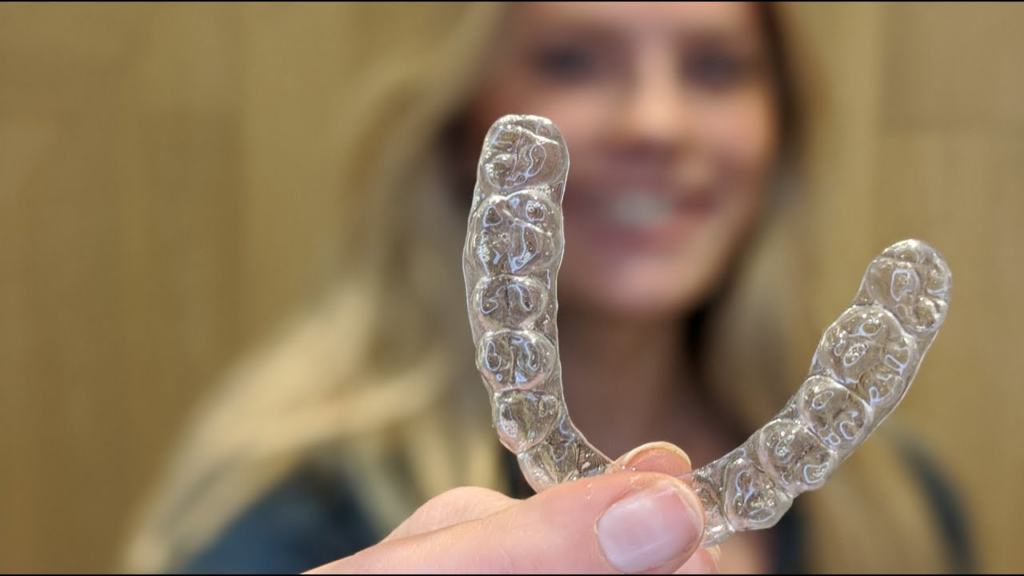
Invisalign and clear aligners provide a discreet and effective alternative to traditional braces for correcting dental alignment. This guide explains how these modern orthodontic options function, the advantages they offer, and the treatment pathway available at Swan Dental in Markham. Many patients choose clear aligners to address aesthetic concerns and improve comfort while still achieving predictable results. The following sections cover the treatment process, anticipated costs, maintenance guidance, and patient experiences to give you a complete overview.
What Are Invisalign and Clear Aligners? Understanding Modern Orthodontic Solutions
Invisalign and clear aligners are custom-made, removable trays manufactured from transparent, flexible thermoplastic. They are designed to guide teeth into planned positions through a sequence of progressively adjusted aligners. Compared with fixed metal braces, aligners apply controlled, gentle force without brackets or wires, which improves patient comfort and simplifies daily oral hygiene.
The effectiveness and comfort of clear aligners are largely attributed to the advanced thermoplastic materials used in their manufacturing.
Clear Aligner Materials & Properties: PETG, TPU, and Manufacturing
Clear aligners (CAs) must deliver continuous, controlled force to produce planned tooth movement. They are manufactured from several thermoplastic polymers, including polyethylene terephthalate glycol (PETG), thermoplastic polyurethane (TPU), polypropylene, and polycarbonate. PETG is frequently selected for its translucency, fatigue resistance, and dimensional stability. TPU offers high elasticity and formability, improving wearability and shock absorption. Manufacturers have also developed multi-layer hybrid materials to address limitations of single-layer constructions.
Comparison of translucency, thickness, and gap width of thermoformed and 3
D-printed clear aligners using micro-CT and spectrophotometer, SH Choi, 2023
How Does Invisalign Work to Straighten Teeth Discreetly?
Invisalign treatment is planned from a 3D digital scan of the dentition. The clinician prescribes a sequence of aligners, each worn for approximately one to two weeks, to move teeth incrementally. Each tray applies calculated force to targeted teeth, allowing controlled repositioning. Because the aligners are removable, patients can maintain routine oral hygiene and remove them for meals.
What Are the Advantages of Clear Aligners Compared to Traditional Braces?
Clear aligners have several advantages over traditional braces. They are nearly invisible, helping patients maintain a natural appearance during treatment. The absence of brackets and exposed wires reduces soft-tissue irritation and often increases comfort. Removability permits unrestricted eating and improved oral hygiene. In many cases, aligner therapy also requires fewer in‑office adjustments, offering greater convenience.
Research further supports the patient preference for clear aligners due to their enhanced comfort and aesthetic benefits compared to traditional braces.
Clear Aligners vs. Braces: Comfort, Esthetics, and Treatment Effectiveness
Align technology has advanced significantly in recent years. Patients generally preferred clear aligners over conventional brackets for comfort and esthetics, though debate remained regarding comparative treatment effectiveness. The cited systematic review examined whether clear aligner therapy achieved outcomes similar to conventional fixed appliances.
A comparison of treatment effectiveness between clear aligner and fixed appliance therapies, 2019
What Is the Invisalign Treatment Process at Swan Dental in Markham?
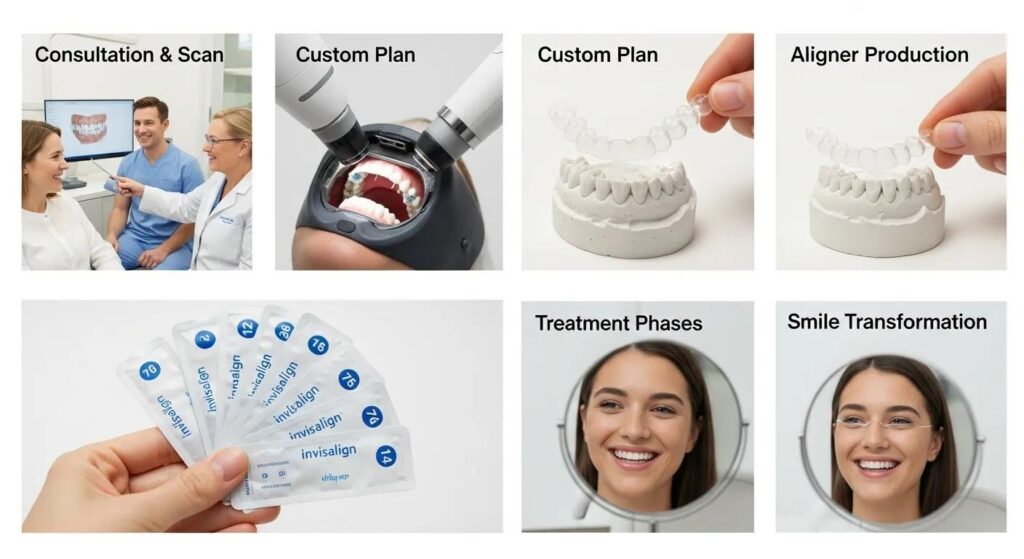
At Swan Dental, treatment begins with an initial consultation and a comprehensive oral examination to confirm candidacy for aligner therapy. When appropriate, the team develops a bespoke treatment plan using 3D imaging to design aligners that match the patient’s dental anatomy and treatment objectives.
What Are the Step-by-Step Phases of Invisalign Treatment?
The Invisalign pathway follows a series of defined phases to ensure predictable progress and clinical oversight.
- Initial Consultation : The dentist evaluates the patient’s dental health and discusses treatment goals.
- Custom Treatment Plan : Using advanced imaging technology, a personalized plan is created, detailing the expected movement of teeth.
- Aligner Fabrication : The custom aligners are manufactured based on the treatment plan.
- Regular Check-Ups : Patients return to the clinic every 6-8 weeks to monitor progress and receive new aligners.
This structured protocol supports clinical monitoring and helps achieve optimal outcomes throughout the course of treatment.
How Does Swan Dental Ensure Patient Comfort and Optimal Outcomes?
Swan Dental emphasises patient comfort and predictable results. The practice uses precise digital workflows to fabricate well‑fitting aligners and provides clear instructions for wear and hygiene. Routine follow‑ups permit adjustments to the plan as required, which enhances the likelihood of a successful outcome.
How Much Does Invisalign Cost in Markham and What Financing Options Are Available?
Treatment cost varies with case complexity and treatment duration. Typical Invisalign fees generally range from $3,000 to $7,000. Swan Dental offers financing alternatives to improve affordability and access to care.
What Is the Typical Price Range for Clear Aligners at Swan Dental?
At Swan Dental, the usual price range for clear aligners is approximately $3,500 to $7,000. The final estimate depends on the severity of the malocclusion and the planned treatment timeline. Patients should discuss individual needs during the consultation to obtain a precise cost assessment.
Which Payment Plans and Insurance Options Can Patients Use?
Swan Dental provides flexible payment plans, including monthly instalments, to distribute the cost over time. Many dental insurance policies may cover part of the treatment; patients are advised to verify benefits with their insurer to determine available coverage.
How to Maintain and Care for Your Clear Aligners for Best Results?
Consistent care of clear aligners is essential to preserve their function and hygiene. Adherence to recommended cleaning and wearing protocols supports treatment efficacy and reduces the risk of staining or damage.
What Are the Recommended Cleaning and Wearing Practices?
To maintain clear aligners, patients should:
- Clean Aligners Daily : Rinse aligners with lukewarm water and brush them gently with a soft toothbrush to remove plaque and bacteria.
- Wear Aligners as Directed : Aligners should be worn for 20-22 hours a day for optimal results, only removing them for eating and oral hygiene.
- Avoid Staining Foods and Drinks : Patients should refrain from consuming colored beverages or foods while wearing aligners to prevent discoloration.
Following these routines helps keep aligners clear and maintains the planned tooth movements.
How Can Patients Protect Their Aligners from Damage?
To protect clear aligners from damage, patients should:
- Store Aligners Properly : When not in use, aligners should be kept in their designated case to prevent loss or damage.
- Avoid Hot Water : Patients should never clean aligners with hot water, as it can warp the plastic material.
- Handle with Care : Aligners should be handled gently to avoid cracking or breaking.
Observing these precautions extends the serviceable life of each tray and supports uninterrupted treatment progress.
What Do Patients Say? Testimonials and Success Stories from Markham Invisalign Users
Patient feedback provides practical insight into clinical outcomes and satisfaction with aligner therapy. Many patients report positive changes in appearance and daily comfort following treatment.
How Have Invisalign Treatments Improved Smiles and Confidence?
Numerous patients report visible improvements in dental alignment and increased confidence after completing aligner therapy. Before‑and‑after documentation often demonstrates the clinical effectiveness of a well‑executed treatment plan.
What Are Common Patient Experiences During and After Treatment?
Common patient experiences include reduced soft‑tissue irritation compared with fixed appliances and the convenience of removable trays for hygiene and diet. After treatment, patients typically express satisfaction with their improved dentition and a commitment to ongoing oral care.
Frequently Asked Questions
What Are the Limitations of Invisalign Treatment?
Invisalign is suitable for many orthodontic issues but not all. Severe tooth misalignment, complex bite discrepancies, or certain clinical conditions may achieve better outcomes with fixed appliances. Patient adherence is critical; aligners must be worn 20–22 hours per day to meet treatment objectives. Consultation with an orthodontist will determine the most appropriate option for each case.
Can I Eat and Drink While Wearing Invisalign Aligners?
It is not recommended to eat or drink while wearing aligners. Remove them for meals and beverages other than water. Eating with aligners in place can damage the trays and trap food particles, increasing the risk of decay and staining. Proper removal and care during meals preserve aligner integrity and oral hygiene.
How Often Should I Change My Invisalign Aligners?
Patients generally change aligners every one to two weeks, according to the customised treatment plan set by their orthodontist. Each successive tray is intended to move the teeth incrementally. Adhering to the prescribed schedule is essential to maintain treatment momentum and achieve the planned results.
What Should I Do If I Lose or Damage My Aligners?
If an aligner is lost or damaged, contact your orthodontist promptly for guidance. The clinician will advise whether to use a replacement, advance to the next tray, or follow an interim protocol to minimise disruption to treatment. Timely communication reduces the risk of treatment delay.
Are There Any Special Care Instructions for Invisalign Aligners?
Yes. Clean aligners daily with lukewarm water and a soft toothbrush. Avoid hot water because it may deform the plastic. Store aligners in their case when not in use to prevent loss or damage. These precautions help ensure the aligners remain clear and functional throughout treatment.
Can I Use Teeth Whitening Products While Using Invisalign?
Teeth whitening during active aligner therapy is generally not recommended. Whitening agents can interact with aligner materials and may produce uneven results. It is preferable to complete orthodontic treatment before initiating whitening; consult your orthodontist for individual advice and timing.
How Long Does Invisalign Treatment Typically Take?
Typical treatment duration ranges from 12 to 18 months, depending on case complexity. Some patients may experience noticeable improvement in as little as six months, while more involved cases require longer timelines. Regular reviews with the dental team keep the plan on course.
Is Invisalign Painful Compared to Traditional Braces?
Invisalign is generally associated with less discomfort than fixed braces. Patients may feel mild pressure or soreness when initiating a new aligner, which usually subsides within a few days. The lack of brackets and wires reduces soft‑tissue abrasion and improves overall comfort.
Conclusion
Invisalign and clear aligners deliver a discreet, technology‑driven option for achieving improved dental alignment with enhanced comfort and aesthetics. With individualised treatment planning and clinical oversight, patients can expect effective outcomes while maintaining daily routines. To discuss whether aligner therapy is appropriate for you, schedule a consultation with Swan Dental.